Reliable siding repair: Advice for Choosing a Qualified Siding Specialist
Luxury siding products: Professional Exterior Panel Remediation Can Boost Your Home'S Curb Appeal And Protect It From Weather Condition Damage
Types of Siding Materials
When it concerns siding repair work, understanding the various kinds of siding materials can make a world of difference. Ever noticed how some homes wear their siding like a badge of honor, while others seem to struggle with peeling, breaking, or warping? That's since each material has its own peculiarities and peculiarities require customized repairs. What are the typical suspects?
1. Vinyl Siding
Vinyl siding is frequently the go-to option for many house owners due to its price and low upkeep. Don't let the ease fool you-- vinyl can crack or end click here up being fragile over time, especially in cold climates. Have you ever tapped on vinyl siding and heard a hollow sound? That's normally a sign that repair work are sneaking in your future. Fortunately? Repairing vinyl usually implies changing simply the harmed panels rather than the whole wall.
2. Wood Siding
Wood siding holds an ageless charm, stimulating pictures of comfortable cabins or classic cottages. It's a double-edged sword; moisture and pests can turn this charm into a maintenance headache. If you've ever spotted peeling paint or soft spots, you're looking at early indication. Addressing wood siding damage rapidly avoids rot from spreading like wildfire. Keep in mind, a little sanding and caulking can in some cases work wonders, but extensive damage might require full plank replacements.
3. Fiber Cement Siding
Fiber cement is the chameleon of siding materials-- it simulates wood, stone, or stucco with surprising accuracy. Long lasting and fireproof, it's a favorite among those wanting durability. However, its tough exterior isn't unsusceptible to fractures or chips. Repair work often include patching and repainting, but beware: incorrect repairs can cause water infiltration, the arch-nemesis of all siding. Have you ever seen a little crack masquerade as safe, just to reveal a soaked nightmare behind the scenes?
4. Metal Siding
Metal siding, whether aluminum or steel, shines with modern appeal and strength. Yet, dents from hail or unintentional effects can mar its surface. Rust is another bad guy hiding if protective coatings wear thin. Prompt repair work, including sealing and repainting, can stop rust in its tracks. Ignoring these indications? That resembles leaving a small hole in a ship's hull and hoping it will not sink.
Common Indications Showing Siding Repair Requirements
- Fractures or splits in panels
- Fading or peeling paint
- Contorting or buckling surface areas
- Soft or decomposed areas in wood
- Dents or rust spots on metal
- Loose or missing pieces
Quick Contrast Table of Siding Products
| Product | Durability | Maintenance | Repair work Intricacy |
|---|---|---|---|
| Vinyl | Moderate | Low | Easy |
| Wood | Variable | High | Moderate to Complex |
| Fiber Cement | High | Moderate | Moderate |
| Metal | High | Moderate | Moderate |
Unraveling the Many Regular Siding Damage
Have you ever discovered the subtle fractures sneaking along your home's outside, only to dismiss them as safe? Those tiny fissures are typically the very first whispers of more considerable problem. Weather condition's unrelenting assault-- from hail to scorching sun-- can require siding to warp, split, or even decay.
Key Culprits Behind Siding Wear and Tear
- Moisture Intrusion: Water slipping behind siding panels can trigger rot and mold, specifically if your home's drainage isn't ideal.
- UV Radiation: Sunlight can fade colors and compromise materials, making them brittle over time.
- Physical Effect: From roaming baseballs to tree branches, impacts leave damages or holes that jeopardize siding's stability.
- Bug Problem: Termites and carpenter ants can silently delight in wooden siding, leaving behind structural vulnerabilities.
Determining Indications Before They Intensify
Think of walking past your home and finding a patch where the paint peels like old parchment-- what's truly happening there? Peeling paint frequently indicates trapped moisture underneath the surface area, suggesting that water has actually breached the siding's protective barrier.
Another sneaky indication is deforming. When boards twist or bow, it's not just an aesthetic defect; it indicates prolonged direct exposure to wetness or heat. Overlooking this can welcome bugs and accelerate decay.
Specialist Tips to Spot and Prevent Concealed Damage
- Routine Assessments: Stroll your home's perimeter every season, examining for loose or split panels.
- Tap Testing: A simple knock can reveal hollow spots indicating rot or bug activity.
- Maintain Appropriate Drainage: Guarantee seamless gutters direct water away from siding to decrease moisture buildup.
- Ventilation Matters: Proper air flow behind siding avoids condensation that leads to mold and rot.
The Cause And Effect of Neglected Siding Damage
Letting a small fracture linger is like leaving a door ajar for undesirable guests. Moisture, insects, and temperature changes exploit these vulnerabilities, turning little repair work into extensive repair projects. When paint peels and wood warps, the underlying structure frequently suffers quietly, concealed from plain view however shouting in requirement of attention.
Important Tools for Accuracy in Siding Repair
When tackling siding repair work, the right tools transform an overwhelming job into a manageable job. Picture attempting to pry off harmed siding with a screwdriver-- aggravating, ineffective, and likely to trigger more harm than great. Instead, a feline's paw or a specialized siding elimination tool slides underneath the boards with ease, sparing the surrounding product.
Here's a compact arsenal every property owner or specialist ought to have:
- Energy knife: For scoring and cutting vinyl or fiber cement siding with surgical accuracy.
- Hammer and crowbar: Vital for thoroughly removing nails and separating boards without splintering.
- Caulking gun: To seal spaces and prevent water infiltration, due to the fact that wetness is the silent opponent of any siding.
- Determining tape and chalk line: For accurate cuts and positioning-- nothing screams 'amateur' like misaligned siding.
- Power drill: Accelerate securing and can be paired with a range of bits to take on various siding products.
- Level: Guarantees your siding sits perfectly directly, preventing those subtle angles that develop into eyesores over time.
Materials That Make or Break Your Repair work
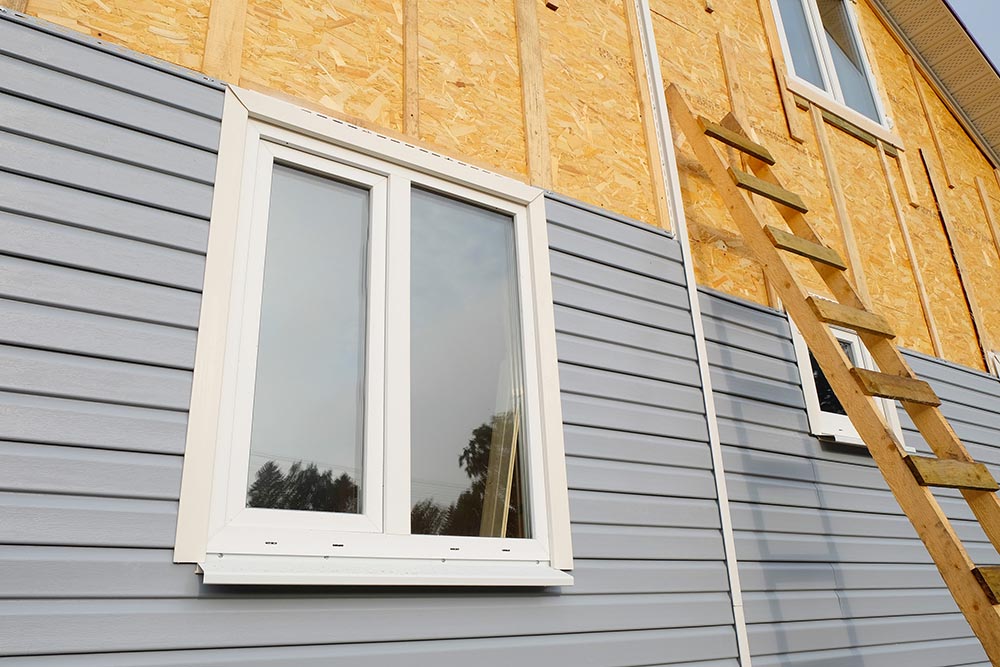
Picking the best materials isn't simply about matching colors or designs; it has to do with longevity and compatibility. Vinyl siding replacement panels, wood planks, fiber cement boards-- all have distinct attributes that require respect.
Ever tried to spot an area with mismatched product? It's like patching a hole in a canvas with paper-- momentary and visually jarring. Here's a quick rundown of what to think about:
| Material Type | Finest Use | Secret Attributes |
|---|---|---|
| Vinyl | Residential homes with moderate weather condition exposure | Low maintenance, colorfast, but can crack in extreme cold |
| Wood | Traditional or rustic looks | Requires regular sealing; vulnerable to rot and insects if overlooked |
| Fiber Cement | Durable option for high-moisture environments | Fire-resistant, heavy, requires carbide-tipped tools for cutting |
Specialist Tips for Product Handling and Setup
Here's a nugget many overlook: always adjust fiber cement siding before installation. Let those panels being in the environment where they'll be set up for a minimum of 2 days. This easy action avoids warping and guarantees a snug fit.
Also, never ever undervalue the power of a well-placed bead of premium outside caulk. This can prevent the insidious creep of wetness behind the siding-- moisture that invites mold, mildew, and ultimate structural decay.
One final thought: when eliminating harmed siding, safeguard underlying insulation and sheathing. A mild touch here saves hours of additional work and money down the line.
Step-by-Step Repair Work Process
Ever discovered a stubborn crack sneaking through your siding, whispering tales of water invasion? It's not simply an eyesore-- it's an open invite to rot and mold. Ignoring it can turn a small fix into a colossal headache. Let's break down the procedure of siding repair work with accuracy and care.
1. Examination and Preparation
First, do not rush to dupe panels. Begin with a careful evaluation. Try to find warping, loose nails, and surprise moisture beneath the siding. Use a moisture meter if you can-- it's a professional's secret weapon. Preparation means more than simply clearing particles; it involves safeguarding neighboring plants and surfaces from dust and paint.
2. Getting Rid Of Broken Areas
Here's where the skill comes in. Pry off broken areas carefully, avoiding harm to surrounding pieces. A siding elimination tool or zip tool can make this a breeze, avoiding unneeded damage. Remember, the objective is to keep the stability of the structure underneath.
3. Cutting and Fitting Replacement Panels
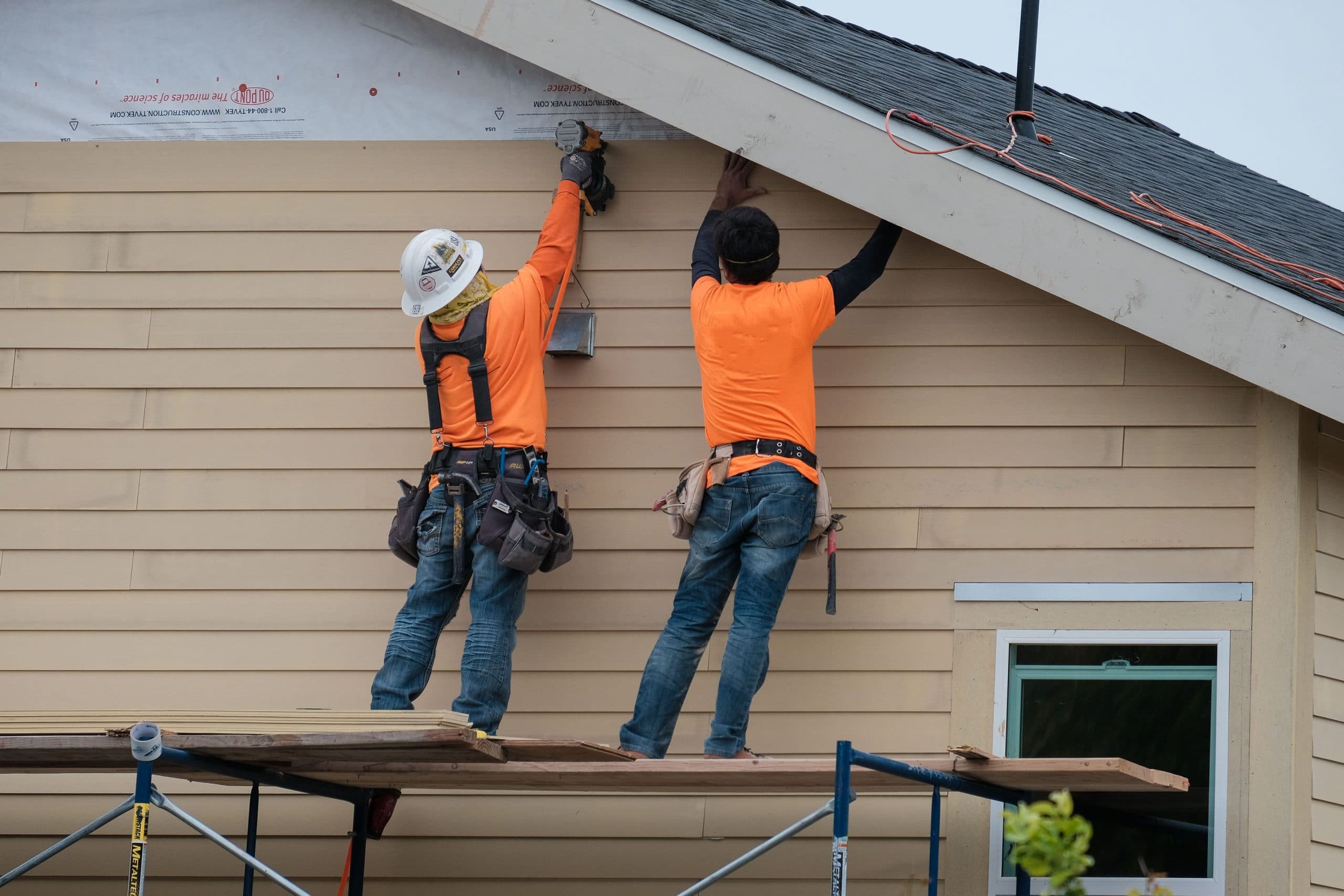
Accuracy is everything. Procedure two times, cut once. When cutting replacement siding, slightly bevel the edges to guarantee water sheds effectively. This little information typically gets neglected but can avoid future water damage. Stagger the joints to mimic the initial pattern for a smooth appearance.
4. Protecting and Sealing
Usage galvanized nails to prevent rust, and never drive nails too tight; allow some wiggle space for expansion. Sealing is your last guardian-- apply a top quality, paintable caulk around edges and joints. This blocks wetness and keeps bugs at bay. Keep in mind, even the tiniest space can become a gateway for damage.
Specialist Tips
- Constantly repair work siding on a dry, moderate day-- humidity can affect paint adhesion and caulk curing.
- Utilize a level to make sure each panel aligns perfectly; misaligned siding is more than an aesthetic defect-- it signifies potential structural issues.
- Keep a replacement panel or 2 on hand for future fast repairs-- absolutely nothing beats readiness.
Common Pitfalls to Prevent
| Mistake | Why It Matters | Pro Advice |
|---|---|---|
| Overdriving nails | Restricts siding growth, causing buckling | Leave about 1/32 inch clearance between nail head and siding |
| Skipping wetness check | Missed out on water damage causes hidden rot | Use moisture meter before setup |
| Overlooking flashing | Water leaks behind siding, causing decay | Examine and repair flashing throughout siding replacement |
Have you ever wondered why some siding repairs fail within months? The devil lies in the details: inappropriate sealing, negligent nailing, or overlooking moisture issues. When carried out with knowledge, siding repair not only restores your home's appeal however strengthens it against the components for years to come.